
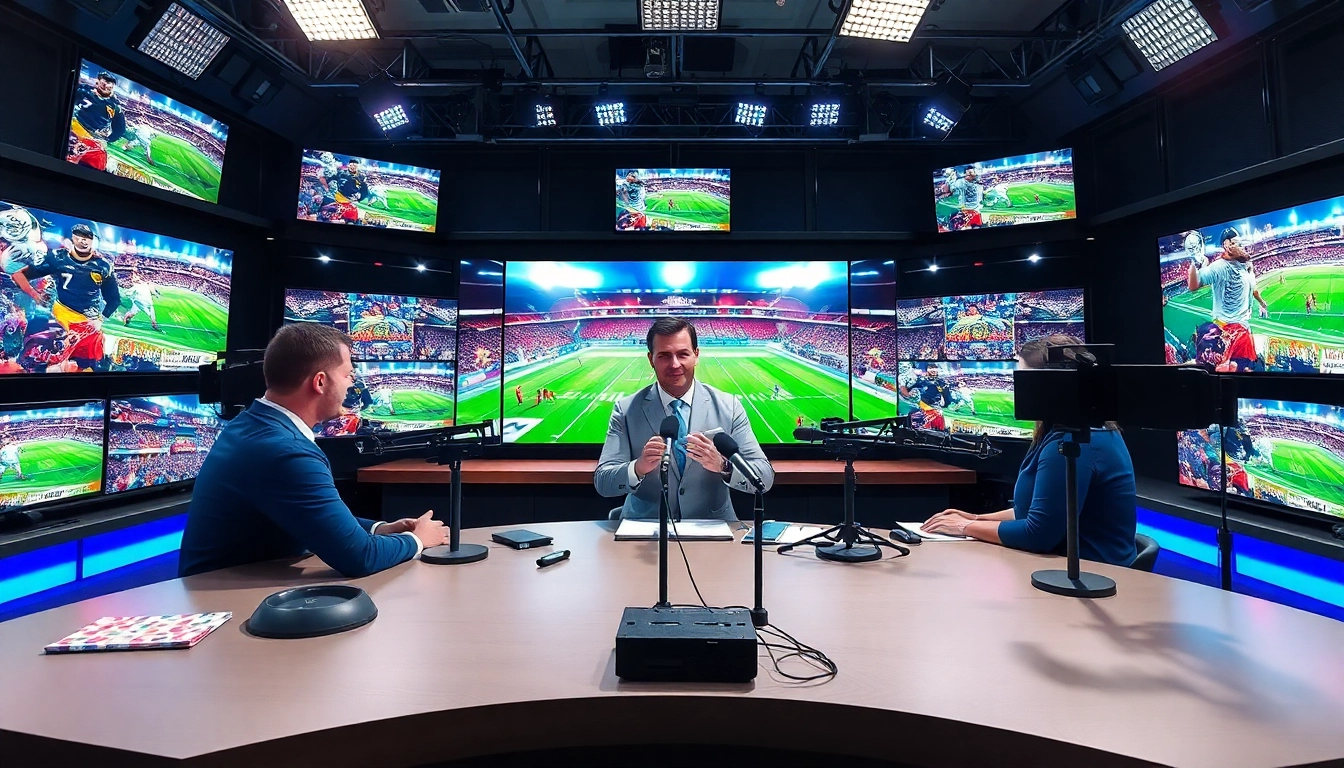
Understanding Sports Broadcasting and Its Importance
Sports broadcasting serves as a vital element in the global sports ecosystem. It facilitates the dissemination of live sporting events, highlights, and analyses to far-reaching audiences, shaping how fans engage with their favorite activities. With the surge in technological advancements, Sports Broadcasting is now more accessible than ever, creating vast opportunities for engagement and monetization in the sports industry.
Defining Sports Broadcasting
Sports broadcasting can be defined as the transmission of live sports events and related content through various media platforms such as television, radio, and online streaming. The objective is to deliver real-time experiences to viewers, allowing them to follow events wherever they are. This encompasses not just the live actions of the games but also commentary, analysis, and insightful discussions surrounding the sport.
The Evolution of Sports Broadcasting
The history of sports broadcasting dates back to the early 20th century when radio broadcasts first introduced sports to a nationwide audience. The advent of television in the 1950s revolutionized how fans experienced sports, allowing for visual coverage and live interactions. Recently, the advent of digital technology has led to significant changes, enabling multi-platform broadcasts and offering fans the ability to choose how they consume sports content.
Impact on Sports Culture
Sports broadcasting profoundly impacts sports culture, contributing to broader fan engagement, increasing viewership, and driving merchandise sales. It cultivates a sense of community among fans who can connect through shared viewing experiences, leading to the formation of enthusiastic fan bases. Additionally, broadcasting has given various sports a platform to reach global audiences, resulting in a more diverse appreciation of athleticism across cultures.
Key Technologies Shaping Sports Broadcasting
The landscape of sports broadcasting is continually evolving due to innovative technologies that enhance viewer experience and engagement. These advancements not only make broadcasts more appealing but also provide rich analytical content that enhances the viewer's understanding and enjoyment of sports.
High-definition and 4K Broadcasting
The transition from standard definition to high definition (HD) and now 4K broadcasting has dramatically improved the viewing experience. Enhanced picture quality allows viewers to see the finer details of games, making them feel as though they are part of the action. This advancement demands that broadcasters invest in state-of-the-art technology and infrastructure to meet viewer expectations.
Live Streaming and Interactive Platforms
Live streaming platforms have revolutionized how audiences consume sports. Viewers can now watch games on-demand through services like mobile apps, social media, and dedicated streaming websites. This shift enables viewers to engage in real time, interact via chat features, and participate in polls, creating a more immersive and customized experience. Broadcasters are forced to innovate continually to keep viewers engaged in this competitive environment.
Augmented and Virtual Reality in Sports
Augmented reality (AR) and virtual reality (VR) are cutting-edge technologies that add another layer of interaction for fans. By integrating AR components, broadcasters can provide real-time statistics and player information during live events. VR takes this a step further, giving viewers the sensation of sitting courtside or on the field. As these technologies advance, they enable broadcasters to craft unprecedented viewing experiences.
Analyzing Audience Engagement in Sports Broadcasting
Understanding audience engagement is crucial for the success of sports broadcasting. It involves analyzing viewer preferences, behavior, and feedback to create content that resonates effectively with fans. This critical analysis lays the foundation for strategies that enhance viewer loyalty and attract new audiences.
Trends in Viewer Preferences
As consumer preferences evolve, broadcasters must adapt to maintain relevance. Current trends show that viewers gravitate towards interactive and personalized experiences. This includes tailored content, highlights, and on-demand features. Younger audiences are particularly inclined towards platforms that offer customizable viewing options, prompting broadcasters to rethink their strategies.
The Role of Social Media
Social media has transformed how fans engage with sports. Platforms like Twitter, Instagram, and Facebook provide channels for real-time updates, highlights, and behind-the-scenes content. This allows broadcasters to build more profound relationships with their audiences, encouraging interaction and community building. In this interactive age, fans' voices have become integral to the broadcast conversation, making them essential partners in storytelling.
Metrics for Success in Audience Engagement
Measuring the effectiveness of audience engagement strategies is essential for broadcasters. Utilizing metrics like viewer retention rates, social media interactions, and site traffic can provide insights into content performance. Engaging with audiences through surveys and feedback tools can guide improvements, ensuring that broadcasters deliver what viewers want while remaining competitive.
Challenges in the Sports Broadcasting Industry
The sports broadcasting industry faces numerous challenges that require innovative solutions. From legal complexities to technological barriers, the landscape is constantly evolving, demanding adaptability and strategic foresight.
Rights Management and Legalities
Rights management in sports broadcasting is a complex and often contentious issue. Broadcasting rights often lead to intricate legal agreements that can affect what content is available. Broadcasters must navigate a complex web of negotiations and legal regulations in different territories, ensuring compliance while maximizing viewership opportunities.
Technological Barriers in Emerging Markets
While advanced technologies shape broadcasting in established markets, emerging markets face significant technological barriers. Infrastructure challenges, including internet access and broadcasting facilities, limit growth in these regions. However, addressing these issues can provide strategic opportunities for broadcasters looking to reach untapped audiences.
Competitive Landscape Analysis
The competitive landscape in sports broadcasting is intense, with numerous players vying for audience attention. This competition compels broadcasters to differentiate themselves through unique content, innovative delivery methods, and effective marketing strategies. Staying ahead of the competition requires constant analysis of market trends, viewer preferences, and technological advancements.
The Future of Sports Broadcasting: What Lies Ahead
As technology and audience behaviors shift, the future of sports broadcasting promises to be dynamic and innovative, presenting opportunities for growth and enhanced viewer experiences. Adapting to these changes will be crucial for survival in this fast-paced industry.
Predictions for Technological Advancements
The future of sports broadcasting is likely to be defined by further advancements in technology. The integration of machine learning and artificial intelligence could transform analytics, allowing broadcasters to deliver more personalized viewing experiences seamlessly. Enhanced VR capabilities may also provide fans with unique perspectives, redefining how they interact with sports events.
Shifting Consumer Behaviors and Preferences
As consumer behaviors evolve, so will the demand for content. Fans are likely to seek more interactive experiences, such as virtual meet-and-greets with athletes or augmented reality features during games. Broadcasters must remain agile, embracing these trends and adapting their content strategies to meet emerging desires for engagement.
Strategies for Adaptation and Growth
To thrive in the changing landscape, broadcasters must develop innovative strategies that emphasize adaptability. This includes investing in new technologies, fostering collaborations with tech companies, and prioritizing viewer feedback to drive content development. Additionally, expanding into underserved markets can provide untapped opportunities for growth.
Frequently Asked Questions
What is sports broadcasting?
Sports broadcasting refers to the transmission of live sports events via various media platforms, including TV, radio, and online streaming, to audiences around the globe.
How has technology impacted sports broadcasting?
Technology has significantly enhanced sports broadcasting through high-definition images, live streaming capabilities, and interactive features like AR and VR, enriching the viewing experience.
What are the current trends in audience engagement?
Current trends include personalized content, interactive experiences, and increased participation through social media, aiming to build deeper connections with fans.
What challenges do broadcasters face today?
Broadcasters face challenges such as rights management complexities, technological barriers in emerging markets, and fierce competition, requiring strategic adaptability.
What does the future hold for sports broadcasting?
The future of sports broadcasting is expected to feature more technological innovations and interactive experiences, driven by shifting consumer preferences and advanced analytics.